

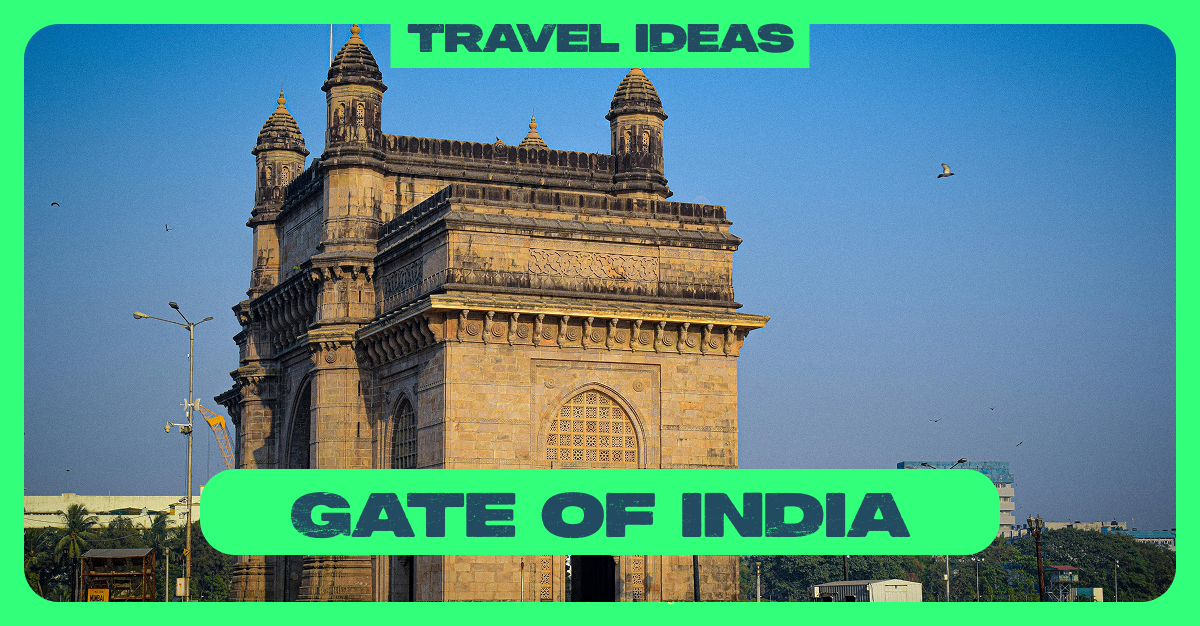

The Gateway of India is one of the most iconic landmarks in Mumbai and a symbol deeply connected with the city’s colonial history and cultural identity. Located on the waterfront overlooking the Arabian Sea, the monument attracts millions of visitors each year.
Built during the British era, the Gateway of India has witnessed several historic moments and continues to be one of the most recognizable attractions in Mumbai tourism.
For travelers exploring the city, understanding the history of the Gateway of India makes visiting the monument even more fascinating.
Facts About the Gate of India in Mumbai
A Symbol of British Colonial Rule
The Gateway of India was originally constructed to commemorate the visit of King George V and Queen Mary to India in 1911. The monument symbolized the importance of Bombay (now Mumbai) as a major colonial port city during British rule.
Construction began in 1913 and took several years to complete, eventually becoming one of the most prominent historical landmarks in the city.
Inauguration Ceremony in 1924
Although the foundation stone was laid in 1911, the monument was officially inaugurated on December 4, 1924.
The ceremony marked the completion of a grand archway that would serve as a ceremonial entrance for important visitors arriving by sea.
At the time, many dignitaries and officials entered India through this monumental gateway.
An Impressive Architectural Marvel
The Gateway of India is known for its unique architectural design, which blends Indo-Saracenic architecture with Islamic and Hindu influences.
The structure is built from yellow basalt stone and reinforced concrete, featuring:
- A large central arch rising about 26 meters high
- Intricate latticework and decorative elements
- Four turrets that enhance its symmetrical design
This architectural style reflects a mix of European and Indian design traditions.
A Historical Event – The Departure of the Last British Troops
One of the most important historical events associated with the monument occurred in 1948, when the last British troops ceremonially departed India through the Gateway of India after the country gained independence.
This moment symbolized the end of British colonial rule and marked a turning point in India’s history.
It Has Seen Several Historic Events
Over the decades, the Gateway of India has witnessed numerous significant events, including political gatherings, cultural celebrations, and national commemorations.
Because of its location in Mumbai’s historic district, the monument has always been closely connected with the evolving story of the city.
Gateway for Royalty
During the British colonial period, the Gateway of India served as the official ceremonial entry point for viceroys, governors, and other royal visitors arriving in India.
Ships carrying distinguished guests would dock nearby, and dignitaries would pass through the archway as part of a grand welcome.
A Monument with a Rich Legacy
Today, the Gateway of India stands not only as a historic structure but also as a symbol of Mumbai’s cultural heritage.
The monument reflects the city’s journey from a colonial port to one of India’s most vibrant and cosmopolitan metropolitan centers.
A Popular Tourist Destination
The Gateway of India is one of the most visited attractions in Mumbai tourism.
Travelers from around the world come here to admire the monument, take photographs, and explore nearby attractions.
Popular places close to the Gateway of India include:
- The Taj Mahal Palace Hotel
- Colaba Causeway shopping street
- Boat rides to Elephanta Caves
The Monument’s Location – An Ideal Spot for Relaxation
Many visitors ask where the Gateway of India is located. The monument stands at Apollo Bunder in Colaba, South Mumbai, overlooking the Arabian Sea.
📍 Google Maps Location:
https://maps.google.com/?q=Gateway+of+India+Mumbai
The waterfront area provides a relaxing atmosphere where visitors can enjoy sea views, street food, and the lively energy of Mumbai’s historic district.
Why Choose Mapshore as Your Trusted Travel Partner?
Exploring historical destinations like Mumbai becomes even more enjoyable with proper travel planning.
Mapshore helps travelers plan memorable journeys with carefully designed itineraries and expert guidance.
Expert Travel Planning
Customized travel experiences covering major Indian and international destinations.
Trusted Travel Guidance
Helpful advice on destinations, documentation, and travel planning.
Flexible Holiday Packages
Travel options tailored for families, couples, and groups.
Reliable Support
Experienced travel professionals assisting you throughout your journey.
With the right travel partner, discovering iconic destinations like the Gateway of India becomes an enriching and hassle-free experience.
Final Thoughts
The Gateway of India remains one of the most historically significant landmarks in Mumbai. Its architectural beauty, colonial history, and waterfront setting make it a must-visit attraction for travelers exploring the city.
Whether you are interested in history, architecture, or simply enjoying the vibrant atmosphere of Mumbai, visiting the Gateway of India offers a glimpse into the city’s rich past and dynamic present.
FAQs About Mumbai
Plan Your Affordable International Trip With Mapshore
International travel doesn’t have to be expensive. With the right destination, timing, and planning, your dream trip can fit within budget.
Explore value-driven international holiday packages with Mapshore—the best tour and travel agency in India, trusted for smart, affordable global travel.
0 Comment