
Before comparing safari quotes, see the holiday packages from India and the live Kenya safari itinerary for the inclusions behind the numbers below. This guide explains where the money goes.
Most India-to-Kenya safari quotes you find online are either years out of date or suspiciously round numbers. The honest answer to what a Kenya safari costs from India in 2026 sits somewhere between Rs 1.5 lakh and Rs 4 lakh per person, depending almost entirely on three decisions: which park you pick, which lodge tier you choose, and how early you book. Get any one of those wrong and the cost swings by 50% or more.
The Two Main Park Fees You Will Pay
Kenya's wildlife areas charge entry fees that vary significantly by type. The Masai Mara National Reserve charges $80 per person per day for international visitors. That is the government-managed zone administered by the Narok County Council.
The conservancies surrounding the reserve, such as Olare Motorogi, Mara North, and Naboisho, charge an additional conservancy fee on top of the reserve fee. These fees typically run $80 to $150 per person per day, sometimes included in a lodge rate, sometimes billed separately. In exchange, you get fewer vehicles at sightings, private traversing rights, and night drives, which the reserve prohibits.
If you are on a seven-night itinerary split between Masai Mara (four nights) and Amboseli (three nights), budget $560 to $920 in park and conservancy fees alone before a single meal or bed night.
Lodge Tiers: What Each Price Band Actually Gets You
Budget tented camps in the Masai Mara range from $100 to $180 per person per night on a full-board basis. At this price you get a standing tent on a fixed platform, shared ablution blocks at some properties, and game drives in shared vehicles with other guests. The drives are real; the comfort is basic.
Mid-range lodges and permanent tented camps charge $200 to $350 per person per night, all-inclusive. This bracket covers en-suite bathrooms, proper beds, one or two daily game drives in a shared vehicle, and usually a swimming pool. Properties such as Mara Serena Safari Lodge or Fig Tree Camp sit in this range depending on the season.
Luxury camps and private conservancy lodges run $500 to $1,200 per person per night, all-inclusive. The rate typically covers all game drives (including night drives in conservancy areas), a private guide, laundry, and often a bush walk. Properties at this tier include Angama Mara, Mahali Mzuri, and Saruni Mara. The difference is not just comfort; it is guide quality, vehicle-to-guest ratio, and access.
Flights from India to Nairobi: Where the Rupees Actually Go
There is no direct flight from any Indian city to Nairobi's Jomo Kenyatta International Airport. All routing goes through a Gulf hub or Addis Ababa. The three main options are:
- Doha via Qatar Airways: From Mumbai or Delhi, one-stop to Nairobi. Return fares in 2026 range from Rs 38,000 to Rs 58,000 depending on season and how far ahead you book.
- Dubai via Emirates or flydubai: Slightly more variable in pricing. Return fares run Rs 35,000 to Rs 65,000 from major Indian metros. flydubai operates the Dubai-Nairobi segment on a code-share that can price lower in off-peak periods.
- Addis Ababa via Ethiopian Airlines: Ethiopian is the only carrier with a one-stop option that sometimes prices below the Gulf alternatives, with returns around Rs 35,000 to Rs 50,000. Flight times are comparable.
Travel time from Mumbai or Delhi to Nairobi, including a standard layover, is 12 to 15 hours. From Chennai or Bengaluru, add roughly an hour.
Kenya eTA and the Application Fee
Kenya now uses an electronic travel authorisation (eTA) for most visitors, including Indian passport holders. The fee and the exact document list change from time to time, so confirm the current amount on the official eTA portal before you budget. Apply online with your passport, return ticket and accommodation details, and allow several working days for a decision.
Some operators quote "visa charges included" in package prices. Ask whether that means the government eTA fee or only a facilitation charge, and get the answer in writing.
Ground Transport Inside Kenya: Shared Versus Private
Once you land in Nairobi, you need to reach the Mara, which is either a 45-minute charter flight (Rs 8,000 to Rs 18,000 per person one-way on a scheduled Safarilink or AirKenya service) or a five-to-six hour road transfer.
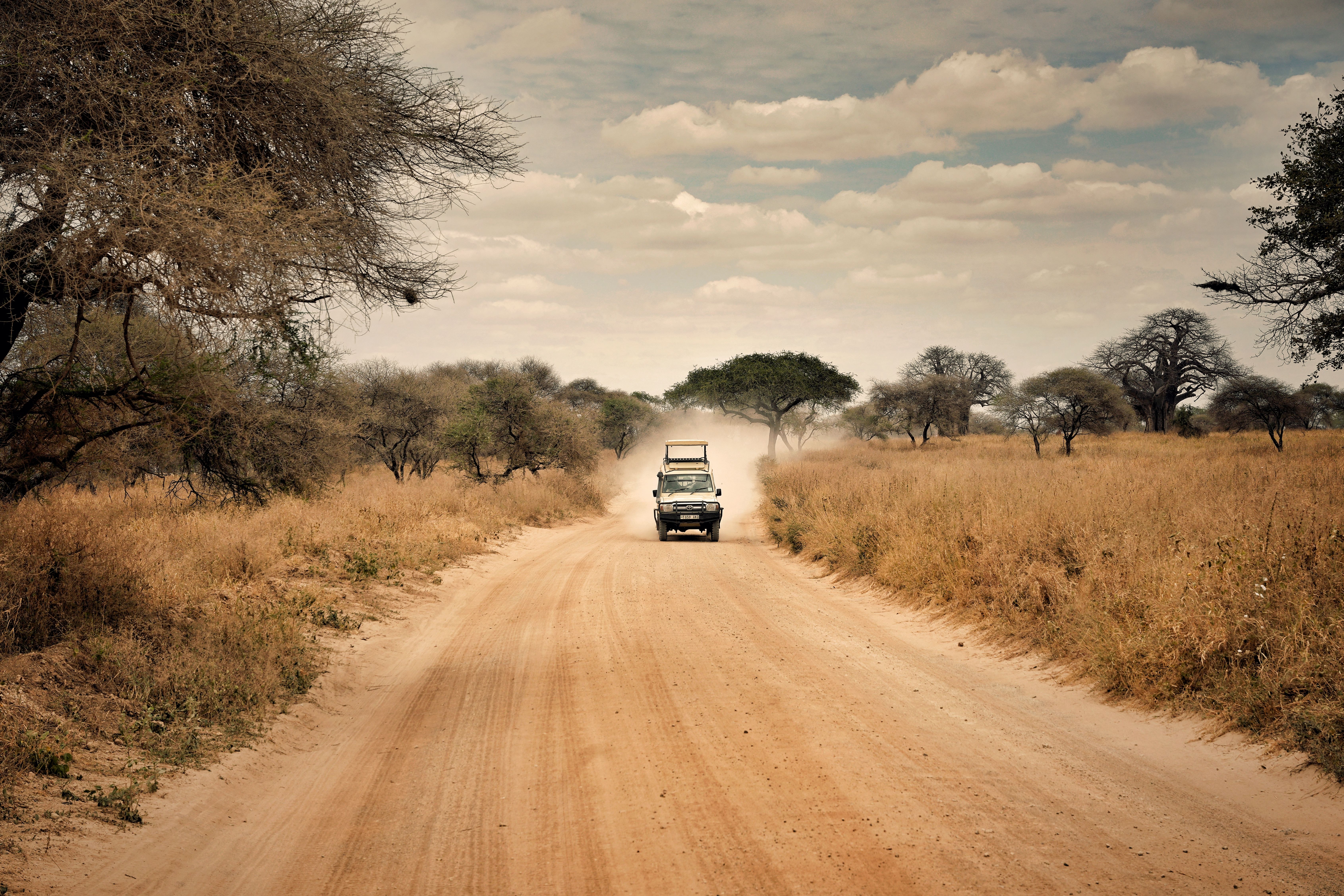
Within the park, game drives happen in 4x4 safari vehicles, either a Land Cruiser or Land Rover with a pop-up roof. Shared game drives mean six to eight passengers split the cost; a private vehicle and guide typically adds $150 to $250 per day to your lodge rate but gives you full control over timing and sighting stops.
Budget packages almost always use shared vehicles. Mid-range properties include shared game drives in their all-inclusive rate. Private vehicles are standard at luxury camps and some upper mid-range properties.
When You Book Changes the Price as Much as Where You Stay
Masai Mara's peak season runs July through October, coinciding with the wildebeest migration. Lodge availability in top conservancy camps during this window is genuinely constrained: many properties have eight to twelve tents total, and peak-season occupancy runs at 90% or above from June onwards.
Peak-season lodge space is limited, so book three to six months ahead where you can. Late bookings in July to October can cost noticeably more than the same itinerary reserved months earlier, and the preferred camp may be unavailable rather than simply dearer.
If the migration is your target, book by January for a July or August departure. If you are flexible on dates, November to February is the green season: lower prices, fewer vehicles at game sightings, and the Mara is still active with resident wildlife. Rates in shoulder season (November, March) can be 30 to 40% below peak.
Total Cost Breakdown: Three Budget Levels
| Category | Budget (Rs 1.5L) | Standard (Rs 2.5L) | Luxury (Rs 4L+) |
|---|---|---|---|
| Return flights | Rs 35,000 | Rs 45,000 | Rs 65,000 |
| Kenya eTA | About Rs 3,000 (confirm current fee) | About Rs 3,000 (confirm current fee) | About Rs 3,000 (confirm current fee) |
| Lodge (7 nights, per person) | Rs 55,000–70,000 | Rs 1,10,000–1,40,000 | Rs 2,20,000–3,00,000 |
| Park/conservancy fees (7 days) | Rs 47,000 ($560) | Rs 60,000–75,000 | Often included in lodge rate |
| Internal flights (Nairobi-Mara) | Overland transfer | Rs 14,000–16,000 | Rs 14,000–16,000 |
| Estimated total per person | Rs 1.4–1.6 lakh | Rs 2.3–2.7 lakh | Rs 4–5 lakh+ |
These estimates assume a seven-night trip with four nights in Masai Mara and three nights in one other park (Amboseli or Lake Nakuru). Solo travellers typically pay a single supplement of $50 to $200 per night depending on the property.
Planning Your Trip to Kenya
Kenya is one of the most consistently structured safari destinations in East Africa, which makes the cost breakdown above more predictable than, say, Tanzania or Uganda where pricing varies more by operator. The park fee structure is published, the lodge tiers are well-defined, and the flight routing from India is straightforward.
The main variables are your travel dates (peak versus shoulder), lodge tier, and whether you mix in a second destination such as Amboseli or the coast at Diani Beach. The live Kenya safari itinerary shows one worked example, and the India holidays hub lists the other destinations we can build around it. For a different budget comparison, see the Vietnam travel cost guide.
Frequently asked questions
Kenya sits in the middle of the East Africa range. Tanzania generally costs more at equivalent lodge tiers because of higher park fees and the way those fees are charged, while Uganda is cheaper for gorilla trekking but dearer for standard game drives. Park fees change, so confirm current reserve rates before comparing quotes. Kenya's budget tier at Rs 1.5 lakh per person for seven nights is realistic; similar trips in Tanzania often start higher.
The river crossing phase of the migration, when large wildebeest herds cross the Mara River, happens from late July through September. This is also peak pricing season. The southern migration in the Masai Mara ecosystem (before the river crossings) runs from June, and the herds are present but crossings are less frequent. Indian travellers who cannot book in January or February for peak season often find that a late June or early October departure gives good migration sightings at 15 to 20% lower lodge rates than July to September.
Not always, and this is the most common source of price confusion. Budget packages typically exclude park fees and sometimes internal flights. Mid-range and luxury packages increasingly include conservancy fees in the lodge rate, but not always the national reserve entry fee. When comparing package quotes, ask specifically: does this include daily park entry, conservancy fees, game drives, and internal flights? A Rs 1.8 lakh quote that excludes Rs 50,000 in park fees is not cheaper than a Rs 2.2 lakh all-inclusive package.
Seven nights is the practical minimum from India if you want more than three game drive days in the Mara. The journey from India to the Mara, including a Nairobi connection, takes at least one full day each way. A seven-night trip gives you four to five full safari days. Ten to twelve nights works better if you are combining Masai Mara with Amboseli or the Laikipia Plateau, which adds meaningful wildlife diversity (Amboseli for elephant herds against Kilimanjaro; Laikipia for black rhino and wild dog).
It can be, mostly because park fees and internal flights are charged per person and lodges price rooms rather than groups. Families of four often save by sharing a tented room and travelling in the green season, when rates drop. Ask whether child discounts exist and whether the quoted price includes park fees, which are a large fixed part of the total.
For a first safari from India, an operator removes the hard parts: park fee payment, conservancy rules, road transfers and the timing of game drives. Planning it yourself is possible and can be cheaper, but it costs time and mistakes are expensive on the ground. Compare an operator quote against published park fees and lodge rates before deciding.