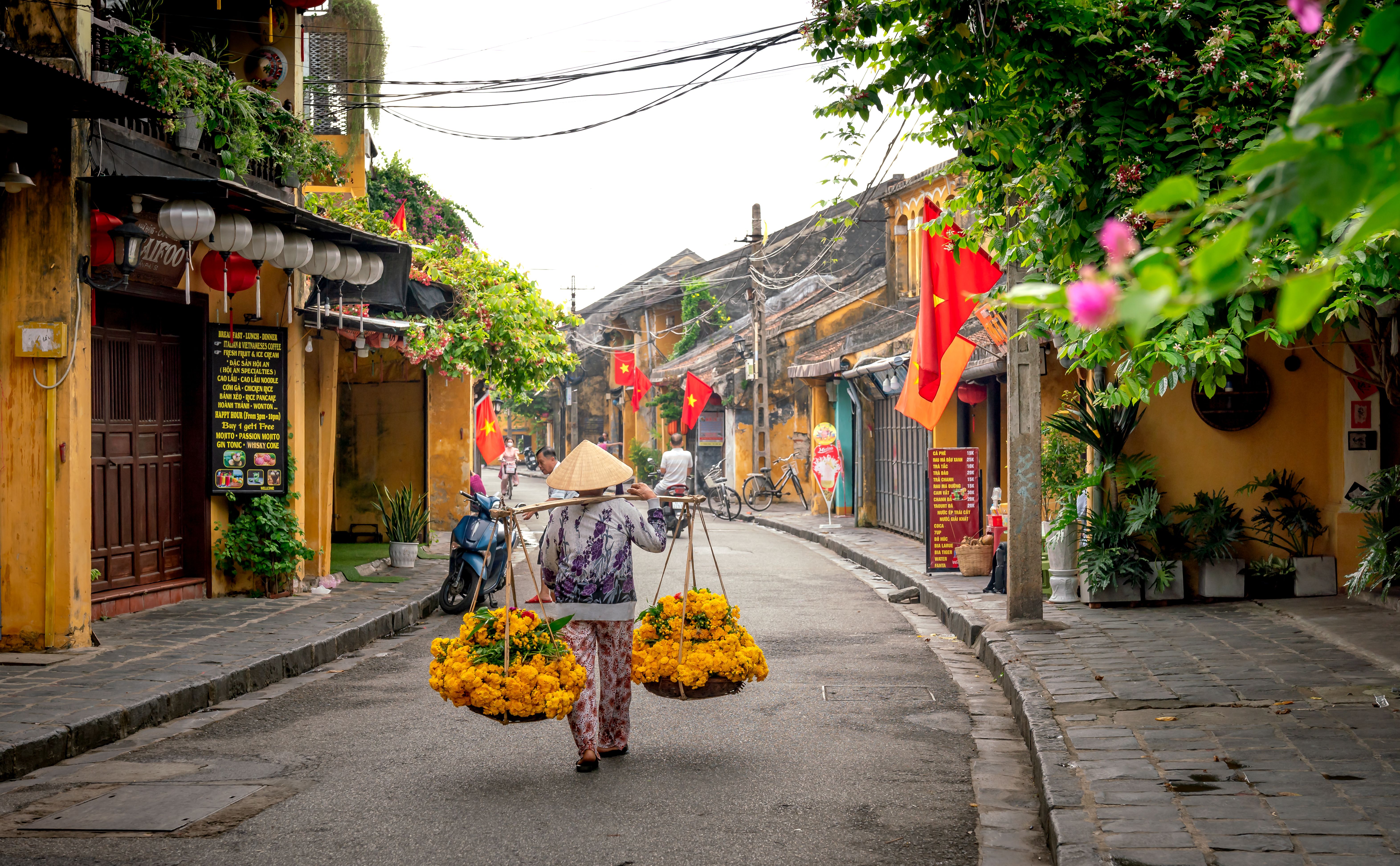

Start with the Vietnam holiday packages from India to see which routes are live. This guide breaks down what those trips cost, city by city, so you can judge a quote on its actual inclusions.
A seven-day trip to Vietnam from India costs less than a weekend in Goa for a family of four, if you know where to fly from. The cost of a Vietnam trip from India varies sharply by departure city, travel style, and how willing you are to eat where locals eat. This guide breaks every expense down to an honest per-day figure so you can plan without surprises.
Flights from India to Vietnam: What the Tickets Actually Cost
There is no direct flight from most Indian cities to Vietnam. Every routing connects through Singapore, Bangkok, or Kuala Lumpur, and the layover hub you choose changes both price and travel time.
From Kochi or Thiruvananthapuram, return fares to Ho Chi Minh City or Hanoi run Rs 18,000 to Rs 35,000 on IndiGo, Air Asia, or Scoot when booked six to eight weeks ahead. From Delhi or Mumbai, add roughly Rs 4,000 to Rs 8,000 for the domestic connection, or fly IndiGo to Singapore and connect on Scoot for a similar total.
The cheapest windows are March to May and September to November. December to January and June to July push fares to Rs 45,000 and above because those overlap with both Indian school holidays and Vietnamese peak tourism periods.
Budget tip: Kochi to Ho Chi Minh City via Kuala Lumpur on Air Asia frequently undercuts every other routing by Rs 3,000 to Rs 6,000. Set a fare alert on Google Flights for this route specifically.
Hotels in Vietnam: Budget to Five-Star, in Real Numbers
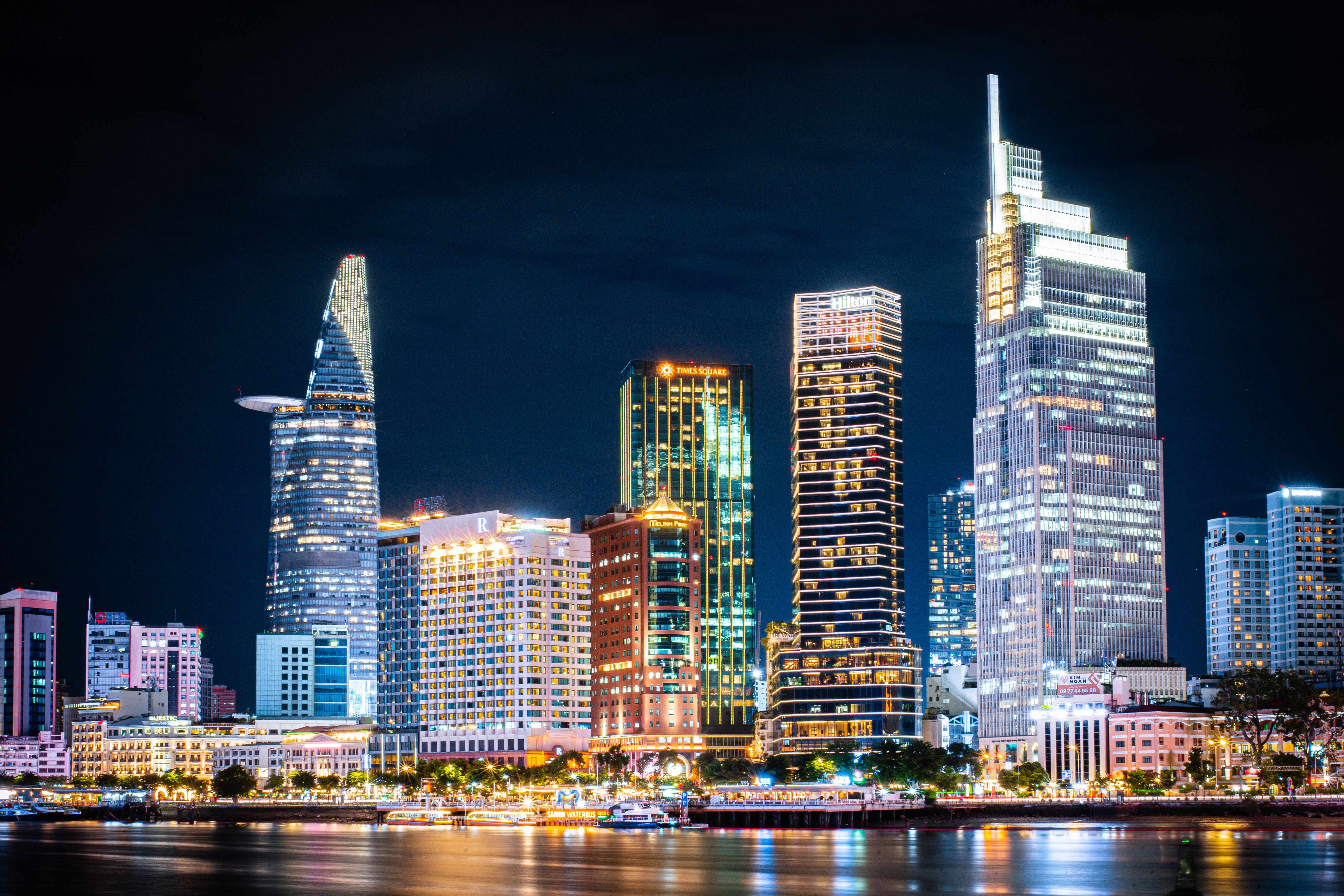
Vietnam has one of the deepest accommodation ranges in Southeast Asia. You can sleep in a 10-bed hostel dorm in Hanoi's Old Quarter for $8 to $15 per night (roughly Rs 670 to Rs 1,250), or in a private room at a family-run guesthouse for $20 to $35.
Mid-range hotels, private rooms with air conditioning, breakfast included, and a pool in beach towns, run $40 to $80 per night. In Hoi An, this price gets you a boutique property with a courtyard garden and daily laundry. In Ho Chi Minh City, the same budget lands you a clean, well-located four-star with breakfast.
Five-star properties at Danang, Phu Quoc, or the Maldives-adjacent beach resorts of Nha Trang run $150 to $400 per night. The Hyatt Regency Danang and InterContinental Danang typically hit the higher end; smaller luxury properties on Phu Quoc sit closer to $150 to $220.
A practical note for Indian travellers: vegetarian meals are easy to find in Hoi An and Hanoi, harder in smaller towns. Confirm with your guesthouse in advance if diet is a constraint.
Food Costs: Street Food, Restaurants, and Why Vietnam Beats Europe
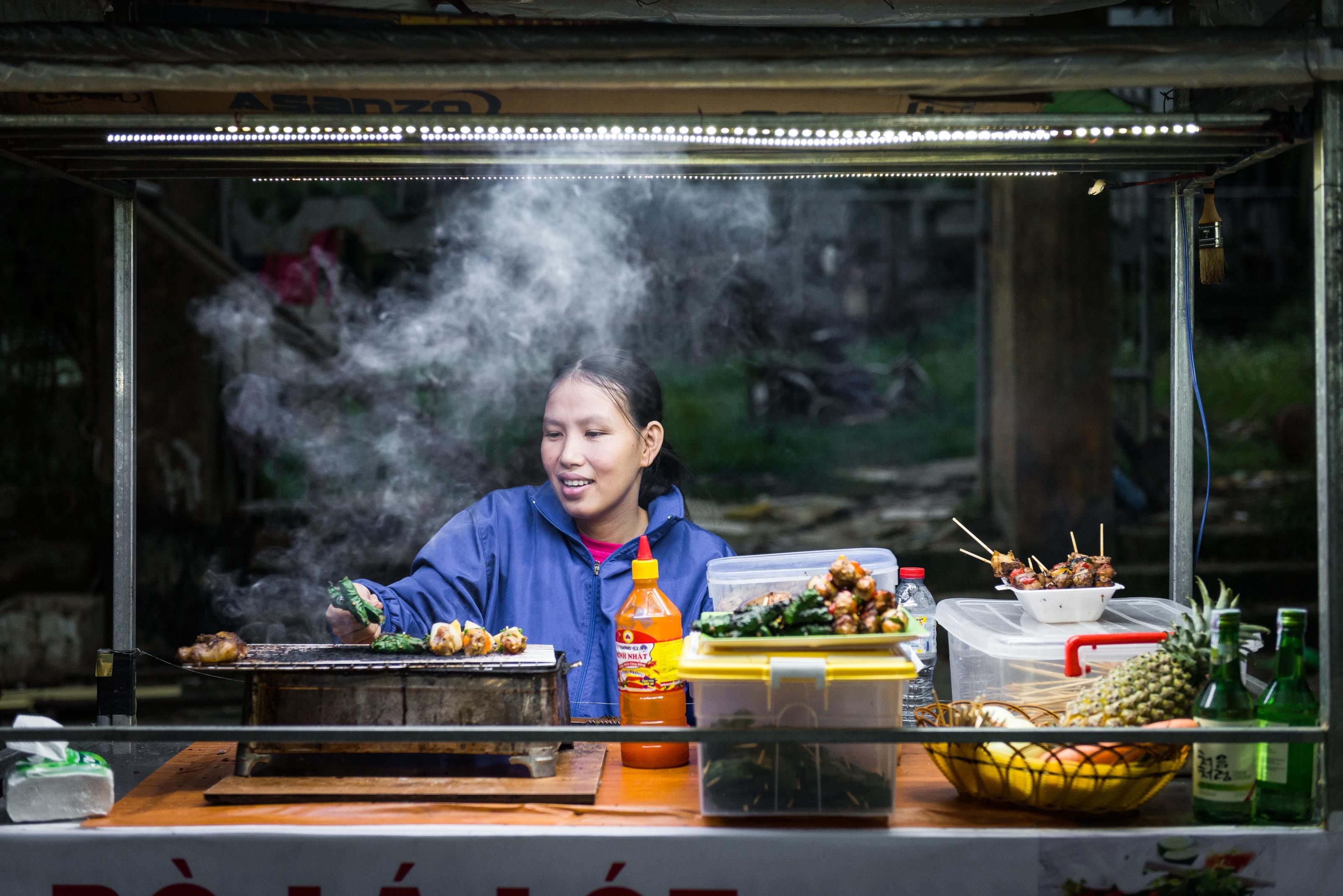
A bowl of pho at a street stall in Hanoi costs 30,000 to 50,000 VND, roughly Rs 105 to Rs 175. A banh mi from a cart costs 20,000 to 30,000 VND (Rs 70 to Rs 105). A full street-food dinner of two dishes and a bia hoi (draft beer) is Rs 250 to Rs 400 per person.
Mid-range sit-down restaurants with table service, a menu in English, and air conditioning charge Rs 800 to Rs 1,500 for a meal with a drink. Rooftop bars and tourist-facing restaurants in Hoi An's old town push Rs 1,800 to Rs 2,500 for a similar meal.
Street food in Vietnam costs a fraction of an equivalent meal in Europe, which is why it works so well for Indian travellers watching a budget without eating badly. A traveller who eats one street meal and one sit-down meal a day should budget roughly Rs 700 to Rs 1,000 on food daily.
The Indian palate adapts well to Vietnamese food: rice-based, fresh herbs, minimal dairy, plenty of vegetables. Tofu variations appear on most menus as standard, not an afterthought.
Getting Around Vietnam: Grab, Trains, and Domestic Flights
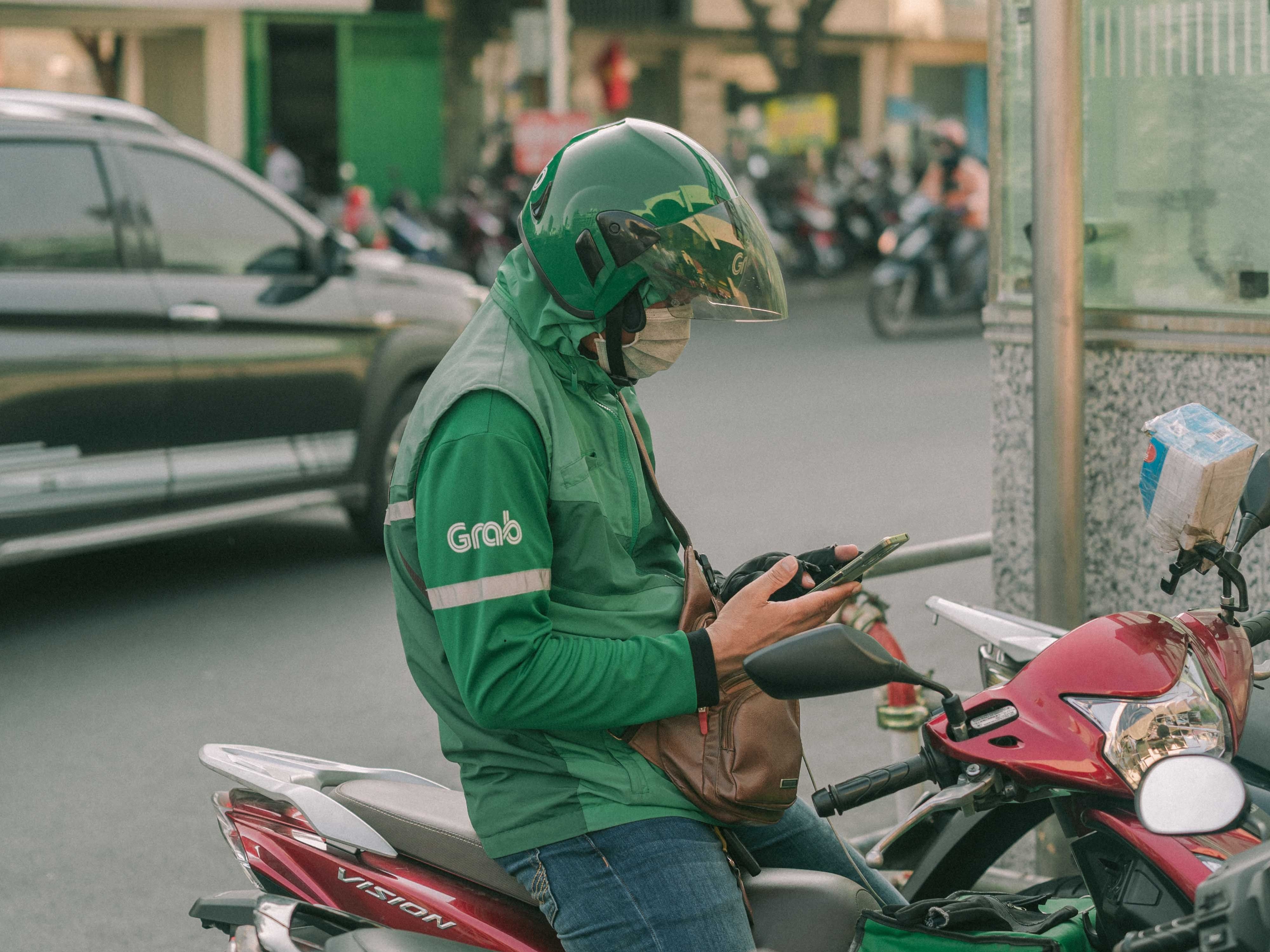
Grab (the Southeast Asian equivalent of Ola) is reliable and cheap in every major city. A 15-minute Grab ride in Ho Chi Minh City costs Rs 80 to Rs 150. In Hanoi, a ride from the Old Quarter to the Temple of Literature runs Rs 60 to Rs 120. Always use the app price, not negotiated street taxis.
The overnight sleeper train from Hanoi to Hue or Hoi An (Da Nang station) is a practical and worthwhile journey. A soft sleeper berth costs approximately Rs 1,200 to Rs 1,800 per person and doubles as your accommodation for the night. The train takes 13 to 17 hours; book through the Vietnam Railways website or via Baolau.com.
Domestic flights are worth considering if you want to cover Hanoi and Ho Chi Minh City in one trip. VietJet and Bamboo Airways run the Hanoi to Ho Chi Minh City route from $25 to $60 one way (Rs 2,100 to Rs 5,000) when booked in advance. Traveling by bus is cheaper but adds 30 to 40 hours of travel time for that same route.
Motorbike rental in smaller towns like Hoi An runs $5 to $8 per day (Rs 420 to Rs 670). It is the fastest way to reach the My Son Sanctuary or the rice paddies outside Hue.
Vietnam Travel Cost from India: 7-Day Sample Budgets
| Expense | Backpacker (Rs) | Standard (Rs) | Premium (Rs) |
|---|---|---|---|
| Return flights (from Kerala) | 18,000 | 25,000 | 35,000 |
| Accommodation (7 nights) | 5,500 | 21,000 | 84,000 |
| Food (7 days) | 4,900 | 10,500 | 21,000 |
| Local transport (7 days) | 3,500 | 7,000 | 14,000 |
| Entry fees & activities | 3,000 | 7,000 | 20,000 |
| Visa on arrival + processing | 2,500 | 2,500 | 2,500 |
| Miscellaneous | 2,600 | 2,000 | 23,500 |
| Total (per person) | 40,000 | 75,000 | 1,20,000 |
These figures assume solo travel. Couples sharing a room reduce the accommodation line by 40 to 50 percent across all tiers.
Vietnam Visa for Indian Passport Holders
Indian passport holders can apply for an e-visa on the Vietnamese government portal (evisa.xuatnhapcanh.gov.vn) for $25 (roughly Rs 2,100). Processing takes 3 to 5 business days. The e-visa covers 90 days, single entry, and is accepted at all major airports and land borders.
Visa on arrival is still available but requires a letter of approval arranged through an agent beforehand (cost: Rs 800 to Rs 1,500) plus a stamping fee at the airport ($25 to $50 depending on the validity requested). The e-visa is simpler and now the default recommendation.
Apply at least two weeks before departure. The system occasionally has slow periods during Vietnamese national holidays.
Best Time to Go and What It Costs
Vietnam runs three distinct climate zones, and the "best time to visit" answer depends entirely on where you plan to go.
Hanoi and the north: October to April is dry and cool. December and January bring temperatures down to 15 degrees Celsius, which many Indian travellers find surprisingly cold without a layer. Flights are most expensive in late December.
Hoi An and central Vietnam: February to August is the dry window. September to January brings heavy rain and occasional flooding in the old town. Accommodation prices drop 20 to 30 percent in the shoulder months of March and April.
Ho Chi Minh City and the south: November to April is dry season. The city is hot year-round (28 to 35 degrees), so the rain is often a relief. Low-season flights to Ho Chi Minh City in June and July can dip to Rs 18,000 return from Kochi despite being technically "wet season."
Planning Your Trip to Vietnam
Vietnam rewards travellers who plan the routing before they plan the sights. The country runs 1,650 kilometres north to south, and trying to cover Hanoi, Hoi An, and Ho Chi Minh City in seven days leaves most of the time on buses and airport queues rather than in the places themselves.
A focused itinerary covering two regions, Hanoi plus Ha Long Bay, or Hoi An plus Da Nang, or Ho Chi Minh City plus the Mekong Delta, delivers a more honest experience than a rushed sweep of the full country.
For city-by-city itinerary options, see the Vietnam holidays page. It covers the practical side of each city, including neighbourhood breakdowns and day-trip distances. If you are weighing another long-haul trip, read the Kenya safari cost guide as well.
Frequently asked questions
The minimum realistic budget for a 7-day trip from India to Vietnam is Rs 38,000 to Rs 42,000 per person, covering a return flight from Kerala (Rs 18,000), hostel dorm accommodation (Rs 5,500), street food (Rs 4,900), local transport (Rs 3,500), entry fees (Rs 3,000), and the e-visa (Rs 2,100). This requires booking flights 6 to 8 weeks ahead and staying in shared dorms rather than private rooms.
Vietnam and Thailand sit in a similar price range for accommodation and food, but Vietnam pulls ahead on value because street food quality is higher relative to cost, domestic transport is cheaper, and most major sites have lower entry fees. Bangkok flights from India are often marginally cheaper than Hanoi or Ho Chi Minh City flights, but the in-country spend in Vietnam typically runs 10 to 20 percent lower for equivalent comfort levels.
Visa and Mastercard debit cards work at ATMs in all major cities. Most mid-range and premium hotels accept cards directly. Street food stalls, local markets, and small guesthouses are cash-only. Withdraw Vietnamese Dong (VND) at ATMs on arrival, the airport rates are reasonable and most machines have a limit of 3,000,000 to 5,000,000 VND (Rs 10,500 to Rs 17,500) per transaction. Carry some cash at all times.
Vietnam has a low violent crime rate and a well-established backpacker infrastructure. Petty theft, bag snatching from motorbikes in Ho Chi Minh City, pickpocketing in crowded markets, is the primary risk. Keep bags zipped and on the side away from traffic in busy streets. Solo female Indian travellers report Vietnam as one of the more comfortable destinations in Southeast Asia, particularly Hoi An and Hanoi. Standard urban precautions apply.
Six to eight weeks is a useful window for the fares quoted here, especially for departures from Kerala. Peak school holidays and the December break need more notice. Domestic connections and the e-visa are easier to arrange once the international flight is fixed, so book that leg first and then build the itinerary around the arrival city.
Yes, if you limit yourself to two regions. Hanoi with Ha Long Bay gives you culture and a night on the water; Hoi An with Da Nang gives you beaches and old town streets. Trying to add Ho Chi Minh City and the Mekong Delta in the same week means spending much of the trip at airports, and the saving is small.